
Reading stone
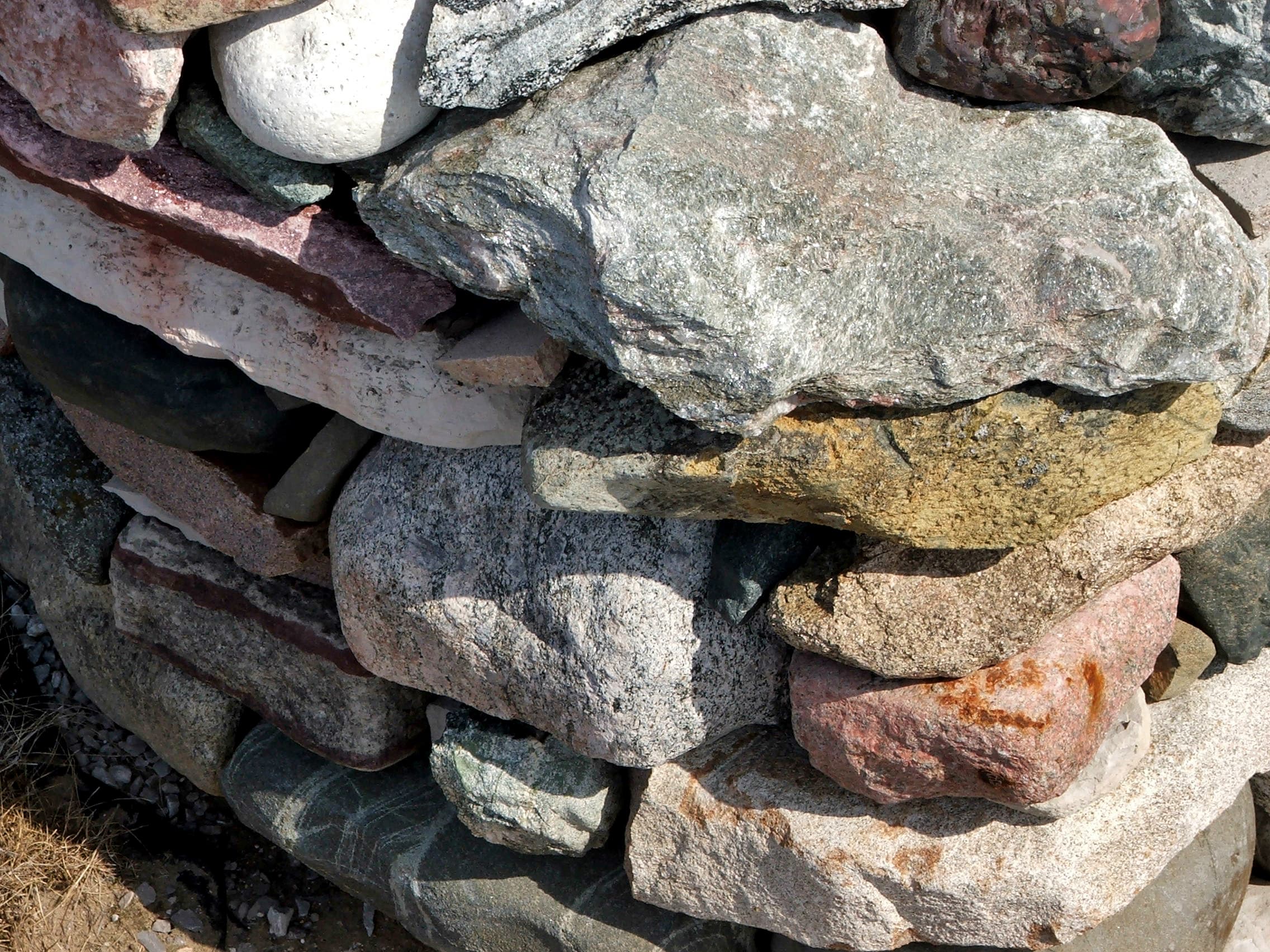
Before a stone is placed, it has already been looked at twice: once for what it is and once for where it can work.
The first pass tells you the broad shape, the weight, the flat bed, the long edge, and whether the stone wants to be seen or buried. The second pass tells you where it goes and what work it can do there.
Skipping the first pass means reaching blindly. Skipping the second means placing blindly. Both habits slow the build and weaken it.
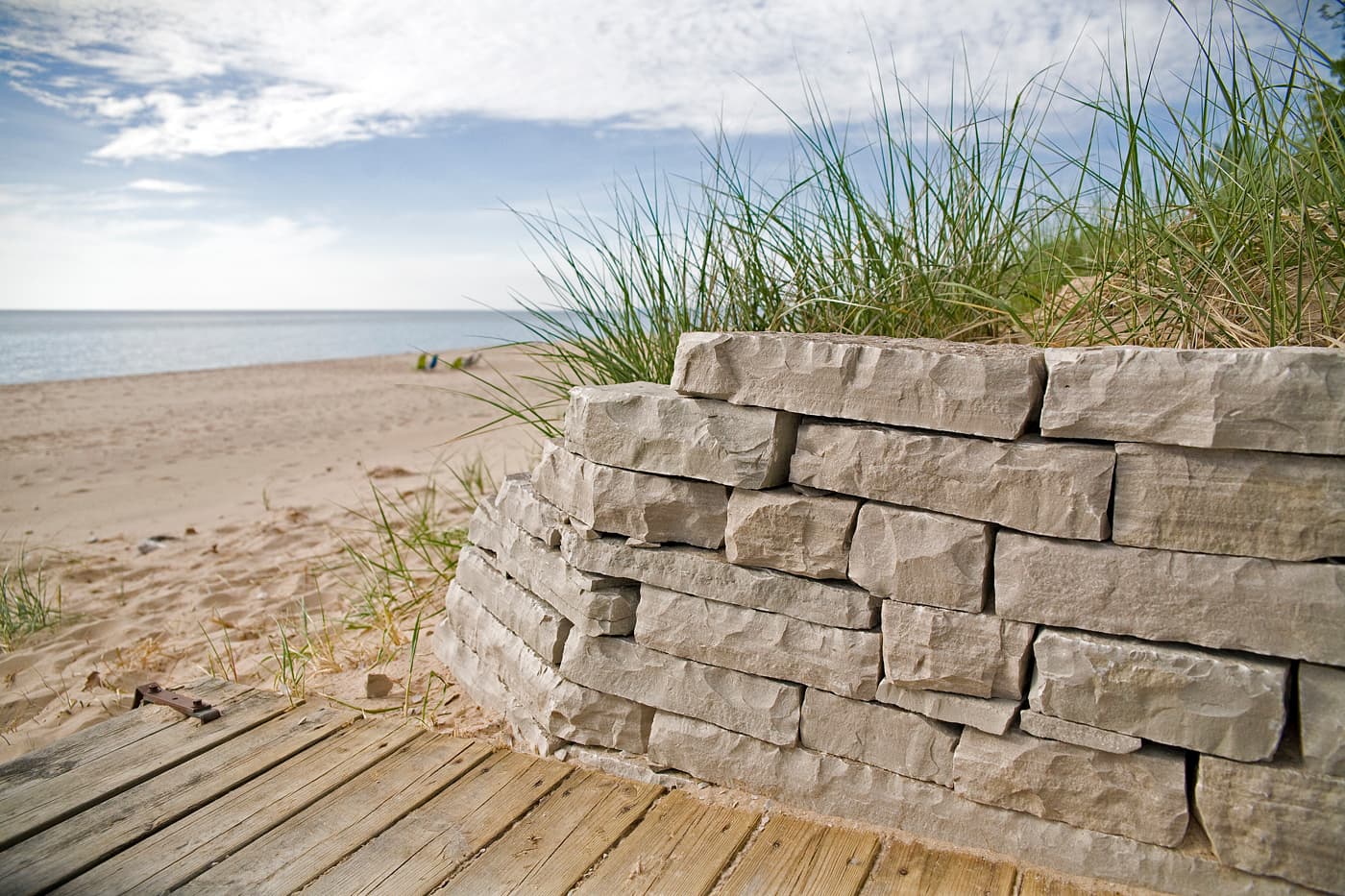
Shape decides the geometry it can solve. Mass suggests whether it can act as a tie or only as hearting. The bed tells you whether it can sit level. The face tells you whether it belongs on the visible side or the buried one.
A waller with a good eye is not someone who likes stone. It is someone who can tell you, before setting a piece, what role it is about to play.